

 9am – 5pm Eastern, Monday – Friday
 133 N Dupont Blvd Ste 103, Smyrna, DE 19977
 Sale Tax Free Shopping!
Rugged Tech for the 'Extreme Prosumer': Why Overlanders and Van-Lifers are Ditching MacBooks
10th Apr 2026
With the introduction of technology, people have found a way to work remotely without being physically present in the office. In today’s world, people can work remotely while they are traveling or exploring new lands in the wild. Such people who work remotely while traveling to distant lands are called "Extreme Prosumers."
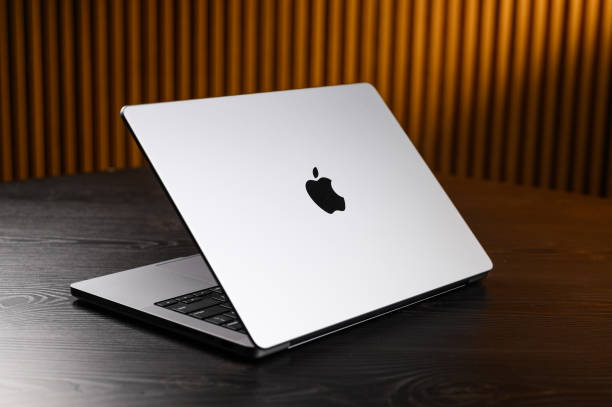
The Apple MacBook is one of the most beloved gadgets among professionals for its effectiveness, aesthetics, and ease of use. However, things get tough when you take such a gadget into the desert, the mountains, the forest, or while overlanding. This is why overlanders and van-lifers are increasingly turning to rugged technology. Rugged technology is about systems that work well in extreme conditions.
Who Is the “Extreme Prosumer”?
An “Extreme Prosumer” is a person who needs professional-level technology but works in difficult environments. They are not regular office workers. They often live or travel in places where conditions are unpredictable.
 Some common examples include:
- Overlanders driving across remote areas
- Van-lifers living and working on the road
- Outdoor content creators
- Field engineers and technicians
- Emergency and rescue workers
Extreme prosumers depend on their devices every day, just as office workers do. But unlike office workers, they do not have stable electricity, internet, or safe environments. Their devices must work in heat, cold, dust, and sometimes even rain.
Because of this, they need technology that is strong, reliable, and easy to fix without professional help.
The Limits of MacBooks in the Wild
MacBooks are great in normal conditions, but they are not designed for harsh environments.
Environmental Fragility: MacBooks are thin and delicate. They are not made to handle dust, sand, water, or rough use. A minor accident, such as dropping the laptop or exposing it to moisture, can cause serious damage.
Power Constraints: Battery life on a MacBook is good for daily use, but it may not be enough for off-grid living. In remote areas, charging can be difficult. Without a constant power supply, users may struggle to keep their devices running.
Repairability Issues: MacBooks are hard to repair, especially in the field. Most parts are sealed inside, and fixing them requires special tools or service centers. This is a big problem for people living far from cities.
Port Limitations: Many modern MacBooks have very few ports. Users often need adapters to connect devices like cameras, storage drives, or GPS systems. These adapters can be fragile and easy to lose.
Cost Risk: MacBooks are expensive. Taking such a costly device into harsh environments increases the risk. If it gets damaged or lost, replacing it can be very difficult and expensive.
 What Rugged Tech Offers Instead
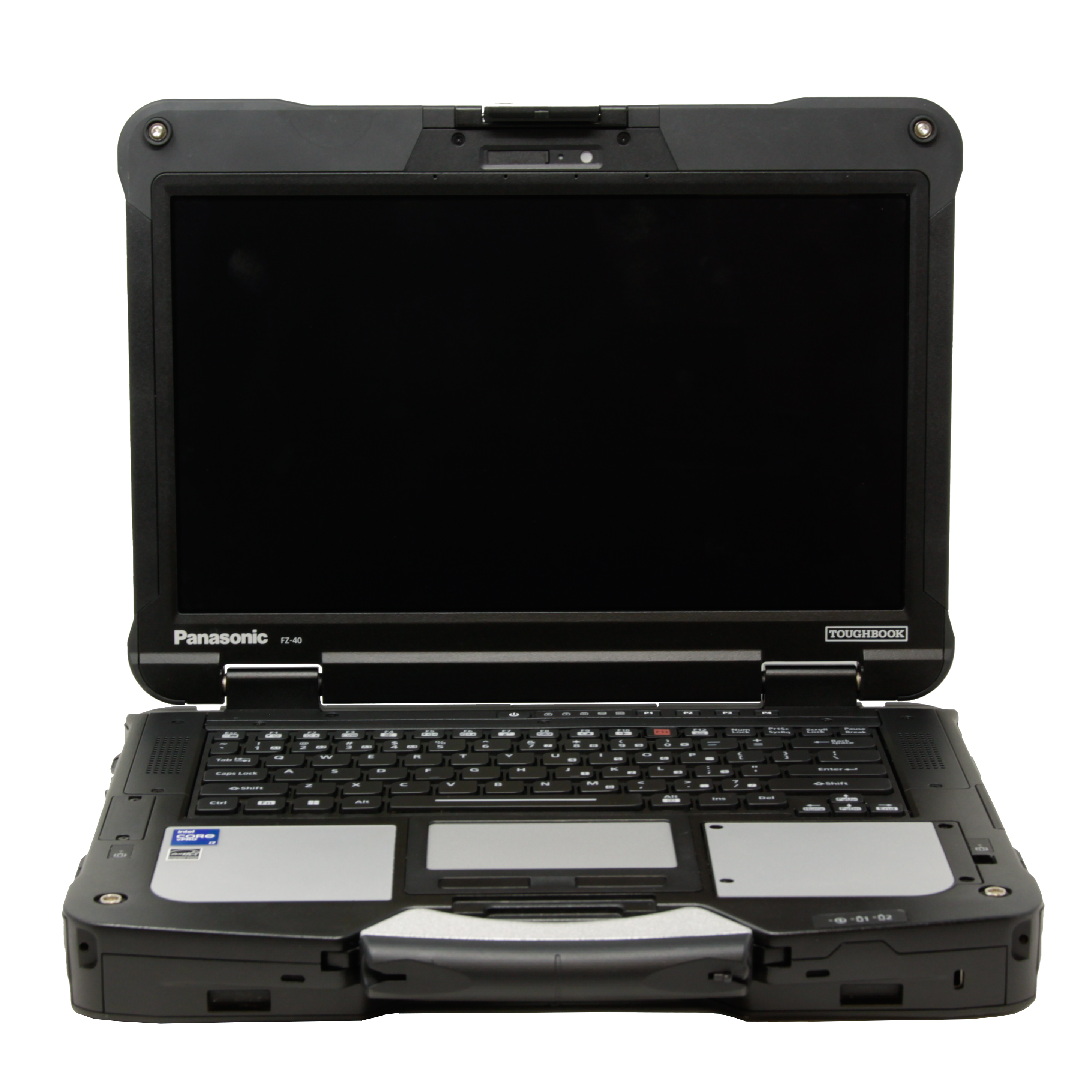
Rugged technology is made for extreme conditions. It focuses on strength, reliability, and long-term use.
Durability: Rugged devices are built to survive drops, shocks, and vibrations. They are much stronger than regular laptops and can handle rough use.
Environmental Protection: These devices are protected against dust, water, and dirt. This makes them perfect for outdoor use, even in bad weather.
Extended Temperature Tolerance: Rugged devices can operate in extreme hot or cold conditions. Whether in a desert or a snowy mountain, they continue to perform well.
Modular & Repair-Friendly Design: Many rugged systems are easy to open and repair. Users can replace batteries, storage, or other parts without needing expert help.
Better I/O Options: Rugged devices usually come with many built-in ports. This means users can connect multiple devices without needing extra adapters.
Key Features: Extreme Prosumers Prioritize
Extreme prosumers look for specific features that help them work better in remote areas.
Long-lasting or Hot-Swappable Batteries: They need batteries that last a long time and can be swapped out quickly. Some rugged devices allow battery replacement without turning off the system, which is very useful.
Sunlight-Readable Displays: Working outdoors means dealing with bright sunlight. Rugged devices often have screens that stay clear and readable even in direct sunlight.
Glove-Friendly Usability: In cold or dangerous environments, users may wear gloves. Rugged devices are designed to work well even when gloves are on.
Passive or Ruggedized Cooling Systems: Normal laptops use fans that can fail due to dust. Rugged systems use sealed or fanless cooling, which is more reliable.
Compatibility with 12V/Solar Setups: Many van-lifers use solar panels and 12V batteries. Rugged devices are often compatible with these power systems.
Offline Capability and Redundancy: The Internet is not always available. Extreme prosumers need systems that can work offline and provide backup for critical data.
 Popular Rugged Tech Alternatives
There are many rugged technology options available today.
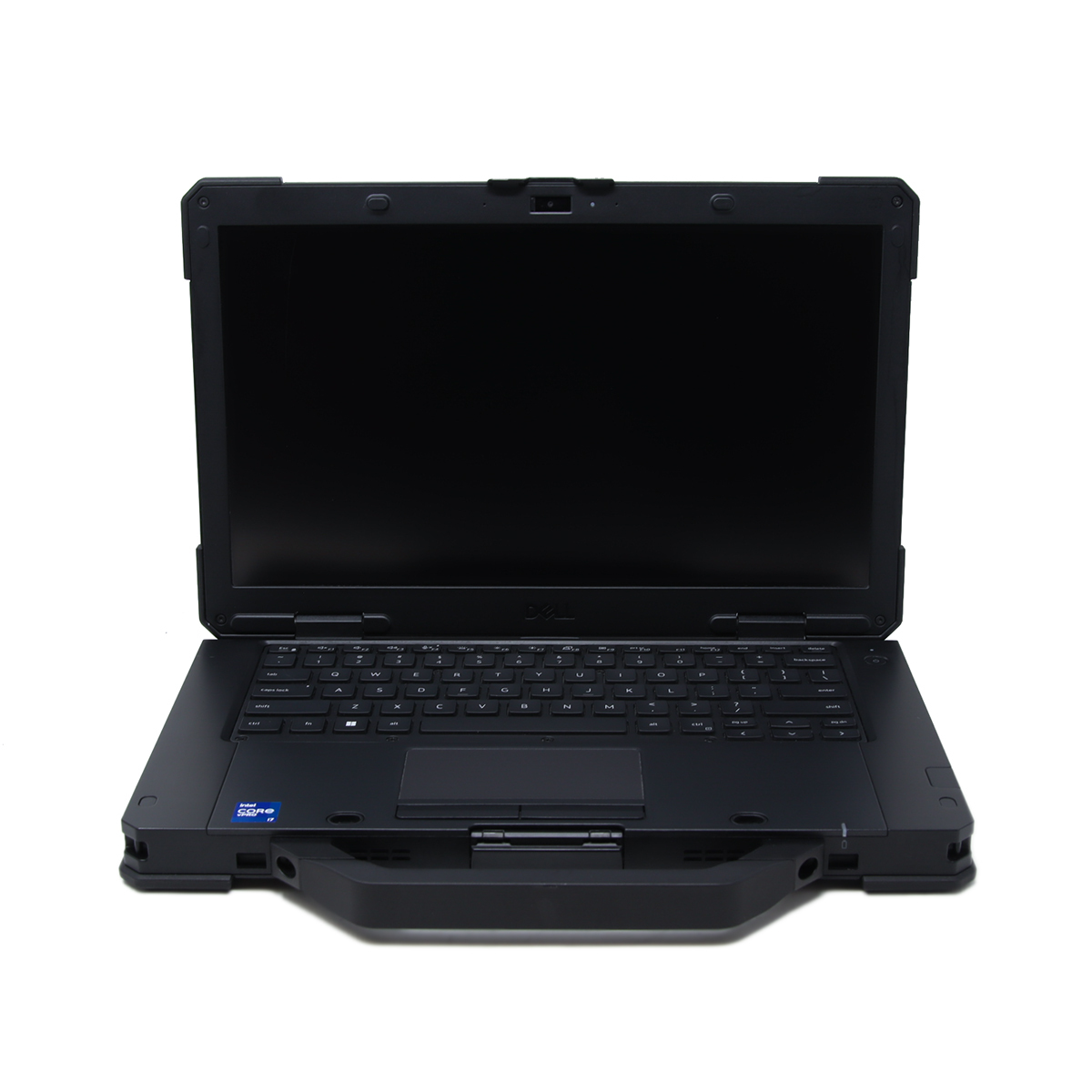
Rugged Laptops: Devices like the Panasonic Toughbook and Dell Rugged series are very popular. They are strong, reliable, and built for fieldwork.
Industrial Tablets: These tablets are lightweight but tough. They are often used for navigation, inspections, and quick tasks.
Mini PCs with Portable Monitors: Some users prefer small computers with separate screens. This setup is flexible and easy to customize.
Custom-Built Setups: Advanced users sometimes build their own systems. They combine different parts and use protective cases to create a setup that fits their exact needs.
Trade-Offs and Downsides
Rugged technology offers many benefits but also has some disadvantages.
Bulk and Weight vs. Portability: Rugged devices are heavier and bigger than regular laptops. This can make them harder to carry.
Higher Upfront Cost: These devices can be expensive upfront. However, they often last longer, which can save money over time.
Lower Design Polish: Rugged devices are not as stylish as consumer laptops. They focus more on function than appearance.
Performance Gaps: Some rugged systems may not be as powerful as high-end laptops. This can be a limitation for tasks like video editing or heavy design work.
Why Rugged Tech Is the Future for Extreme Prosumers
The needs of modern users are changing. Extreme prosumers require devices that can handle real-world challenges, not just office environments.
While the Apple MacBook remains a great choice for many professionals, it is not ideal for life in harsh and unpredictable conditions. Rugged technology provides a better solution for those who live and work in the wild.
Overlanders and van-lifers are choosing tools that match their lifestyle—tools that are strong, reliable, and easy to maintain. This shift is not just a trend; it is a practical decision based on real needs.
Teams like Bob Johnson’s team are playing an important role in supporting this movement. By focusing on durable and field-ready solutions, they are helping extreme prosumers stay productive no matter where their journey takes them.