

 9am – 5pm Eastern, Monday – Friday
 133 N Dupont Blvd Ste 103, Smyrna, DE 19977
 Sale Tax Free Shopping!
Modular or Bust: The Financial Case for “Expansion Packs” (xPAKs)
20th Mar 2026
Decisions about technology are not purely technical. They are also financial decisions and operational risks. For ruggedized laptop deployments, the traditional "buy, deploy, replace" model is an accepted reality. However, with the advent of expansion packs such as xPAKs and the concept of a true modular laptop, the traditional model should be challenged.
The Panasonic FZ-55 and Panasonic FZ-40 represent more than durable hardware. They are a state of mind. In an era in which budgets are being scrutinized and sustainability lies at the forefront of the discussion, the concept of modularity is not purely desirable; it is financially liberating.
Background on the Panasonic FZ-55 and FZ-40
To understand the financial case for modular upgrades, we first need to understand the machines themselves. The FZ-55 and FZ-40 were not designed as disposable devices. They were engineered as adaptable, long-term platforms built within tough conditions.
Product Overview
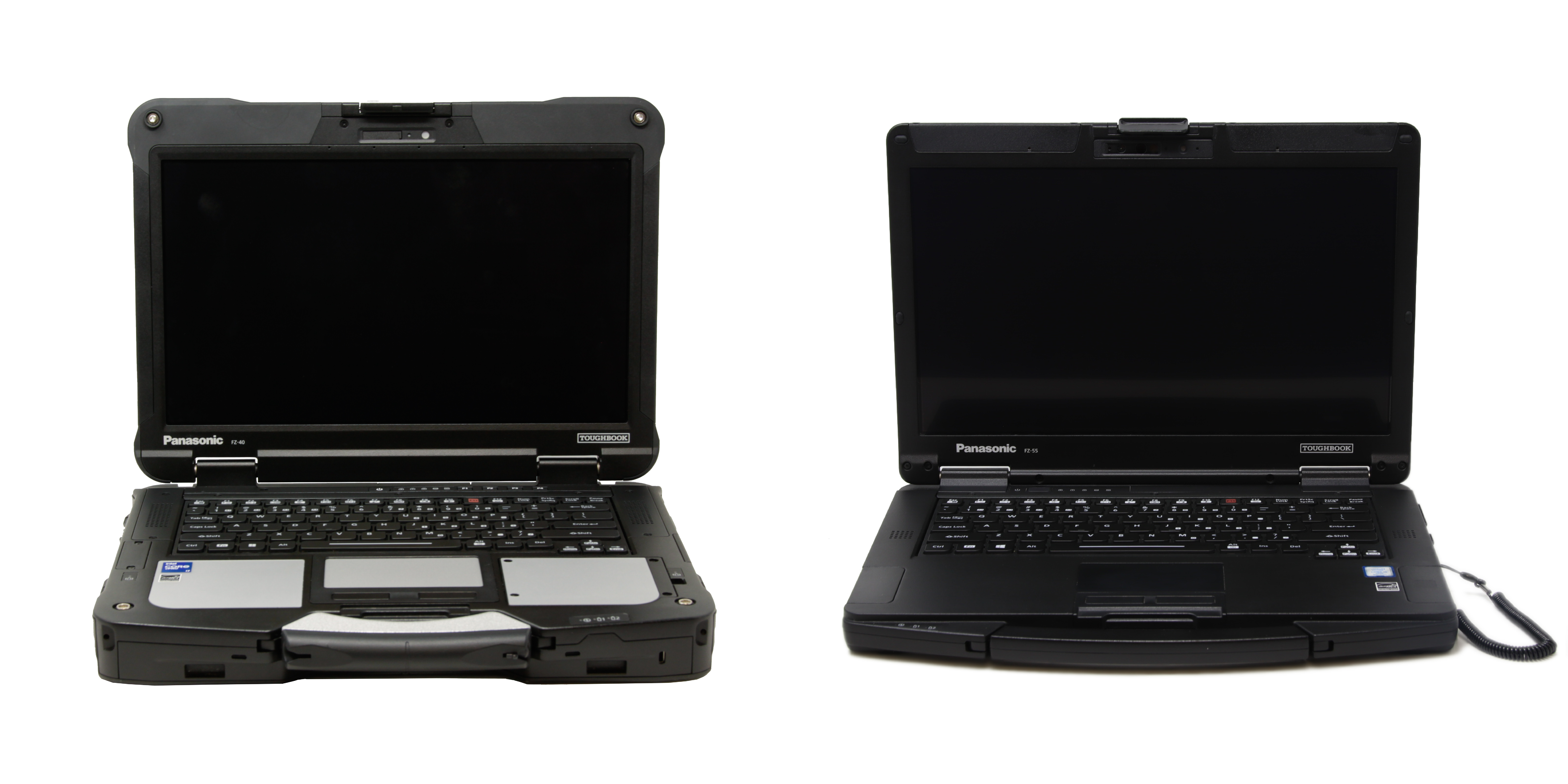
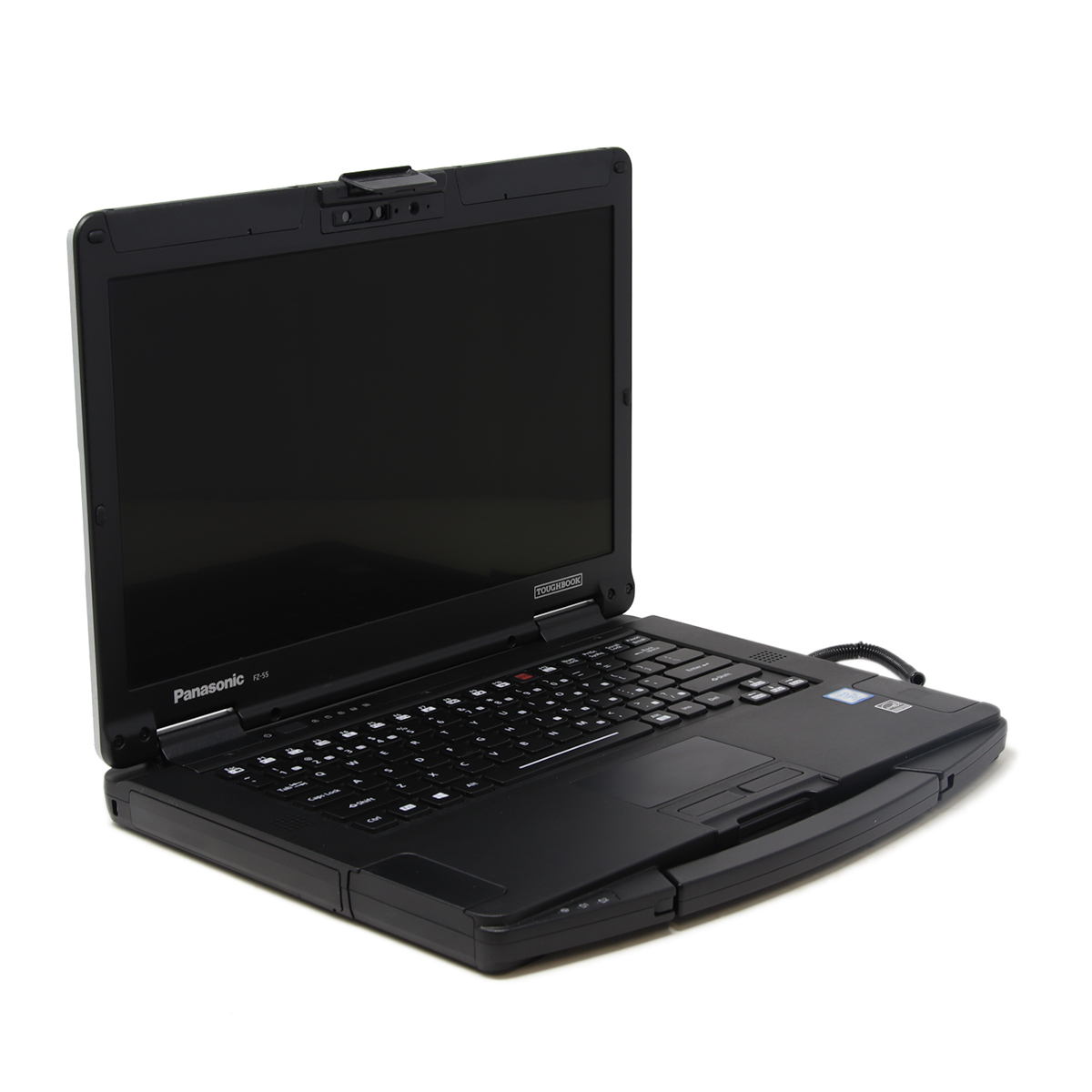
The Panasonic FZ-55 is a semi-rugged Toughbook built around expansion flexibility. Its configurable bays allow users to add storage, extra ports, authentication readers, and graphics modules. Instead of replacing the entire device when needs change, users can upgrade specific components.
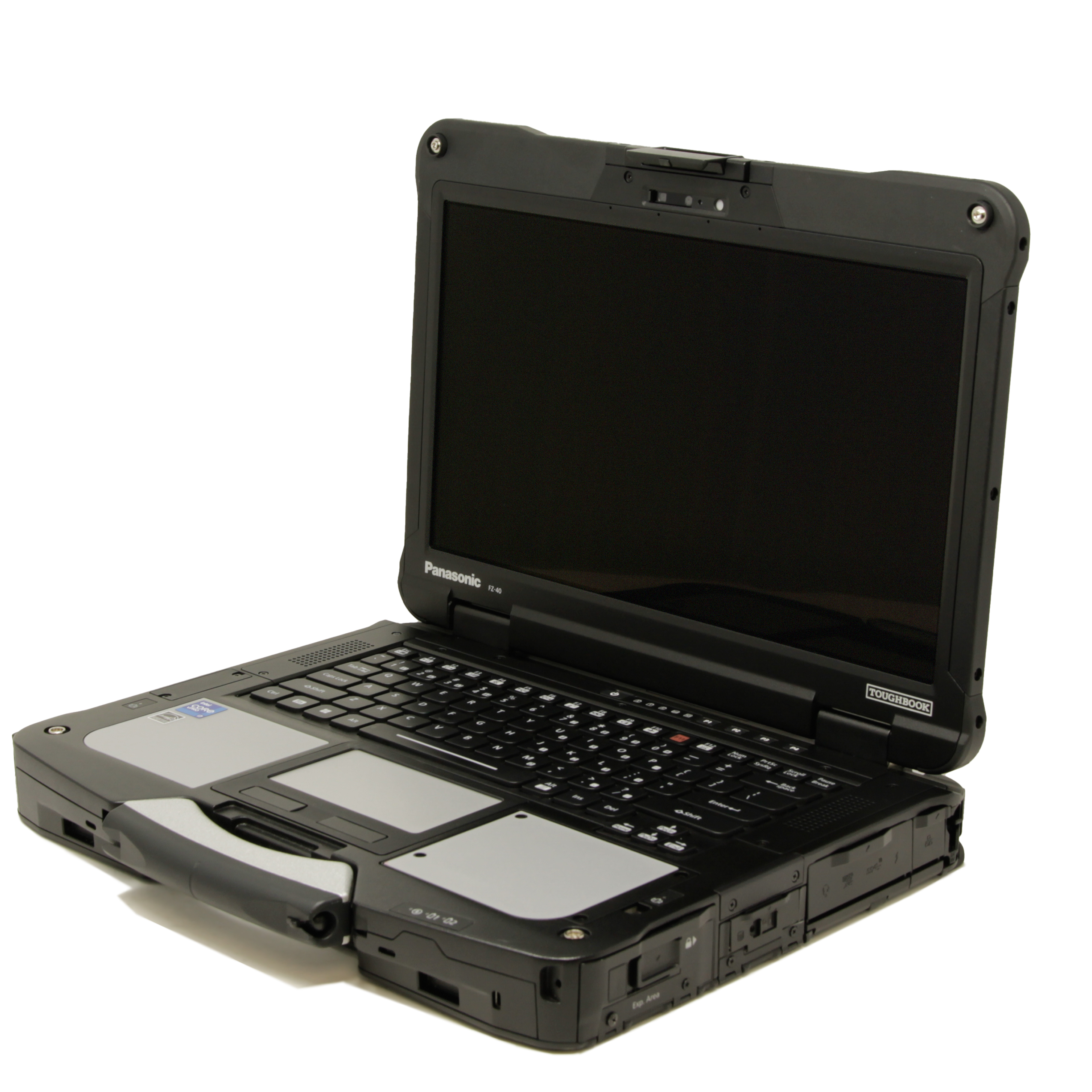
The Panasonic FZ-40 is fully rugged and purpose-built for extreme environments, including utilities, public safety, and defense. It extends modularity further, offering expansion areas that support highly specialized workflows without compromising durability.
Both models are engineered with longevity in mind.
Market Status
The FZ-55 is commonly deployed in enterprise and public sector fleets where adaptiveness and cost control are key. It strikes an equilibrium between performance and portability, making it functional within departments.
The FZ-40 occupies mission-critical situations where equipment failure can cease operations. In these markets, uptime is currency. Modularity becomes a risk-management tool as much as a financial one.
Lifecycle Characteristics
Unlike consumer laptops with three- to four-year refresh cycles, Toughbooks are designed for extended deployment, often lasting five to seven years or more. When paired with xPAKs, their useful lifespan can stretch even further, reshaping the traditional refresh model.
 What Are Expansion Packs (xPAKs)?
Before exploring financial modeling, it’s important to clearly define what we mean by xPAKs and why they matter. These aren’t cosmetic add-ons; they are tactical upgrade tools.
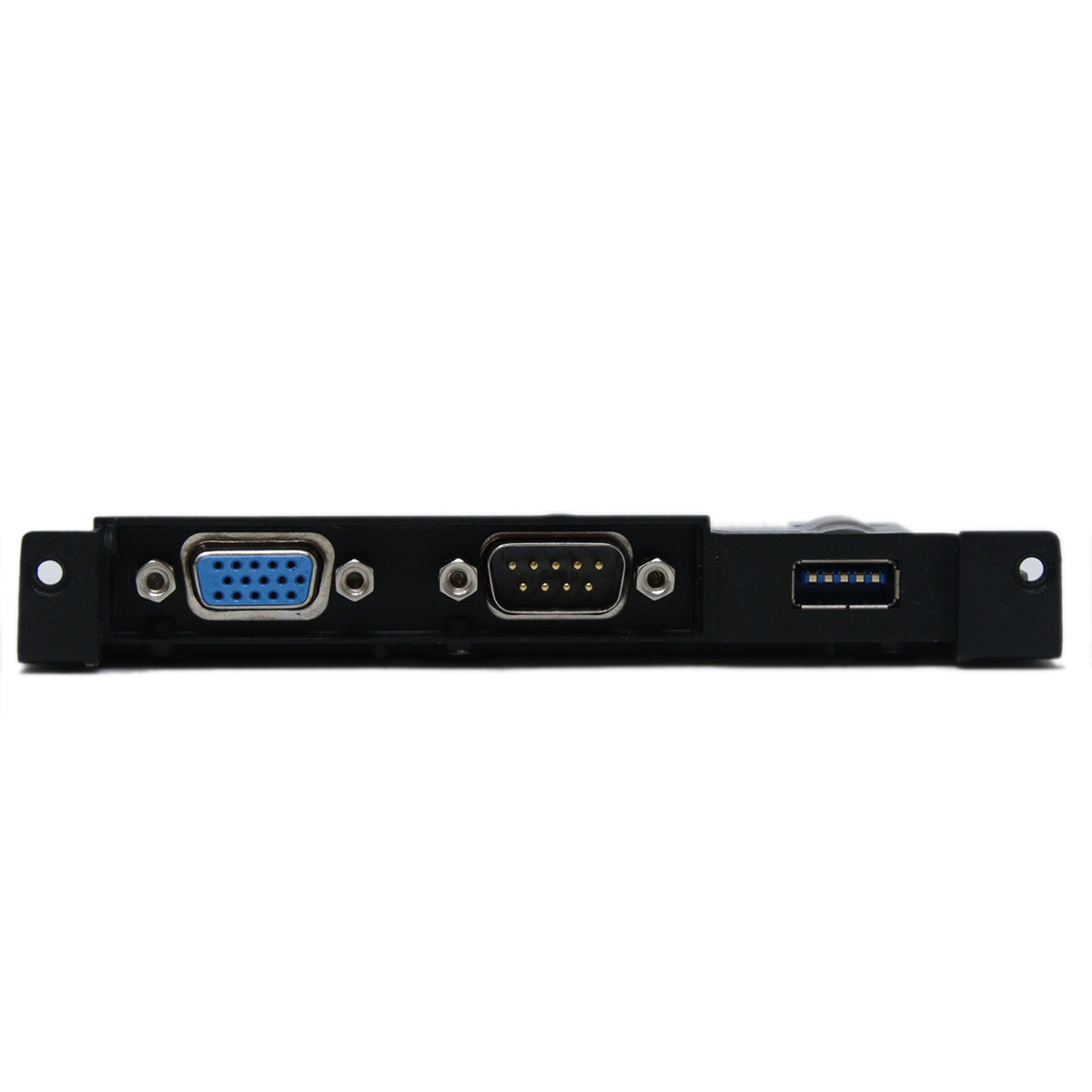
An Expansion Pack (xPAK) is a modular hardware component that improves or modifies a laptop’s capabilities. This could include additional SSD storage, authentication systems, upgraded connectivity, graphics modules, or legacy ports required for specialized equipment.
Instead of replacing a device when requirements shift, organizations install an xPAK. Financially, this converts large, disruptive capital expenditures into smaller, incremental investments. Operationally, it reduces downtime and preserves end users' familiarity.
Financial Framework: How to Evaluate xPAKs
To properly assess modular upgrades, organizations need more than guesswork—they need structure. A disciplined financial framework helps quantify the benefits and identify potential trade-offs.
Cost Components: Direct costs include module pricing and installation labor. However, a full device replacement also entails hidden costs, such as reimaging systems, migrating data, retraining staff, and managing asset disposal. These indirect costs can significantly increase total replacement expense.
Value Metrics: Savings are only part of the story. Value also includes avoided downtime, preserved productivity, and extended depreciation schedules. If an $800 module delays a $3,000 replacement by two years, the internal rate of return often justifies the investment.
Total Cost of Ownership (TCO) Model: A TCO model captures acquisition, support, downtime, and end-of-life costs. Traditional refresh cycles create cost spikes every few years. Modular strategies flatten those spikes, improving budget predictability and long-term financial stability.
 Case Study: Panasonic FZ-55 with Modular Upgrades
Let’s apply this framework to a practical deployment scenario to see how modularity plays out in real numbers.
Baseline Scenario: Imagine deploying 100 FZ-55 units at $2,500 each. The initial investment totals $250,000. After four years, increasing software demands require a refresh. Replacing all units would cost another $250,000.
xPAK Scenario: Instead of replacing devices, the organization invests in xPAKs at an average cost of $800 per unit. The total mid-cycle upgrade cost becomes $80,000.
Financial Outcomes: Over eight years, total hardware spending drops from $500,000 to approximately $330,000. The organization saves roughly $170,000 while avoiding much of the disruption associated with full fleet replacement.
Sensitivity Analysis: Even if module costs increase or lifecycle extensions are shorter than expected, the modular model often maintains a favorable break-even point. The economics remain strong under a range of assumptions.
 Case Study: Panasonic FZ-40 with Modular Upgrades
The financial dynamics shift slightly with the higher-priced FZ,40, but the underlying principles remain the same.
Baseline Scenario: Deploying 100 FZ-40 units at $4,000 each requires an investment of $400,000. A traditional five-year refresh would demand another $400,000.
xPAK Scenarios: With modular upgrades averaging $1,200 per device, the organization invests $120,000 instead of $400,000 at mid-cycle.
Financial Outcomes: Over a ten-year period, capital expenditures declined significantly. The higher base cost of the FZ-40 magnifies the absolute savings from avoiding a full replacement.
Risk & Opportunity Considerations: While rapid technological change can create uncertainty, rugged environments often prioritize reliability over cutting-edge performance. Planned modular upgrades enable organizations to balance innovation and stability.
Comparative Financial Impact: FZ-55 vs. FZ-40
Comparing the two models highlights how modularity scales differently across deployment contexts and device cost structures.
Side-by-Side Cost Analysis: The FZ-40’s higher purchase price yields larger absolute savings when refresh cycles are extended. The FZ-55, often deployed in greater numbers, produces cumulative savings across broader enterprise fleets.
Value Delivered: The FZ-55 excels in flexible enterprise environments, while the FZ-40 delivers unmatched ruggedness and reliability. Each model’s modular capabilities align with its operational purpose.
Which Model Benefits More?: In dollar terms, the FZ-40 may produce higher savings per device. Strategically, the FZ-55’s adaptability can influence more departments and workflows. Both demonstrate that modularity enhances long-term financial performance.
Strategic Benefits Beyond Pure Economics
While financial modelling is essential, modular expansion also delivers strategic advantages that extend beyond spreadsheets.
Operational Flexibility: Organizations can adapt devices to new contracts, regulatory requirements, or workflow changes without full procurement cycles. That agility can accelerate growth and improve responsiveness.
Sustainability & Asset Efficiency: Extending device lifecycles reduces electronic waste and supports environmental goals. Sustainability initiatives increasingly influence purchasing decisions, making modular systems attractive to forward-thinking organizations.
Customer Loyalty & Vendor Lock-in: Long-term modular ecosystems encourage deeper vendor relationships. While some may view this as a lock-in, many organisations appreciate the stability and roadmap visibility that come with established partnerships.
Risks and Limitations of Modular Expansion
No strategy is without potential drawbacks. A balanced financial analysis must acknowledge possible risks.
Technical Risks: Compatibility across future generations must be maintained. Without careful roadmap alignment, upgrade paths could narrow over time.
Financial Risks: If module pricing escalates significantly, projected savings may decline. Ongoing cost evaluation is necessary.
Mitigation Strategies: Negotiated pricing agreements, lifecycle planning, and proactive upgrade strategies reduce uncertainty. When modular expansion is treated as a deliberate capital strategy, risks become manageable.
Modularity as a Competitive Advantage
The financial case for Expansion Packs (xPAKs) is ultimately about smarter investment timing and asset longevity. The Panasonic FZ-55 and Panasonic FZ-40 demonstrate how modular architecture can dramatically improve long-term total cost of ownership while reducing operational disruption.
In a world where capital efficiency, sustainability, and agility matter more than ever, modularity is not just a feature; it is a strategy. Organizations that embrace it gain smoother budgeting, extended lifecycles, and greater control over their technology roadmap.
And when it comes to implementing that strategy effectively, experienced partners like Bob Johnson’s Computer Stuff can help align modular planning with real-world operational needs. Because sometimes the smartest refresh decision isn’t replacing what works—it’s expanding it.