

 9am – 5pm Eastern, Monday – Friday
 133 N Dupont Blvd Ste 103, Smyrna, DE 19977
 Sale Tax Free Shopping!
Why Rugged Screens Don’t Crack Like Consumer Screens
24th Apr 2026
People use smartphones, tablets, and laptops every day for work, communication, and entertainment. A common problem is that their screens can crack easily, even from a small drop. These devices are fragile, and fixing a cracked screen can be expensive.
Rugged screens help solve this problem because they are built to withstand harsh conditions. Regular screens focus on looks, but rugged screens are made to take physical impacts and stress. This blog post explains why rugged screens are less likely to crack than regular ones.
What Is a Rugged Screen?
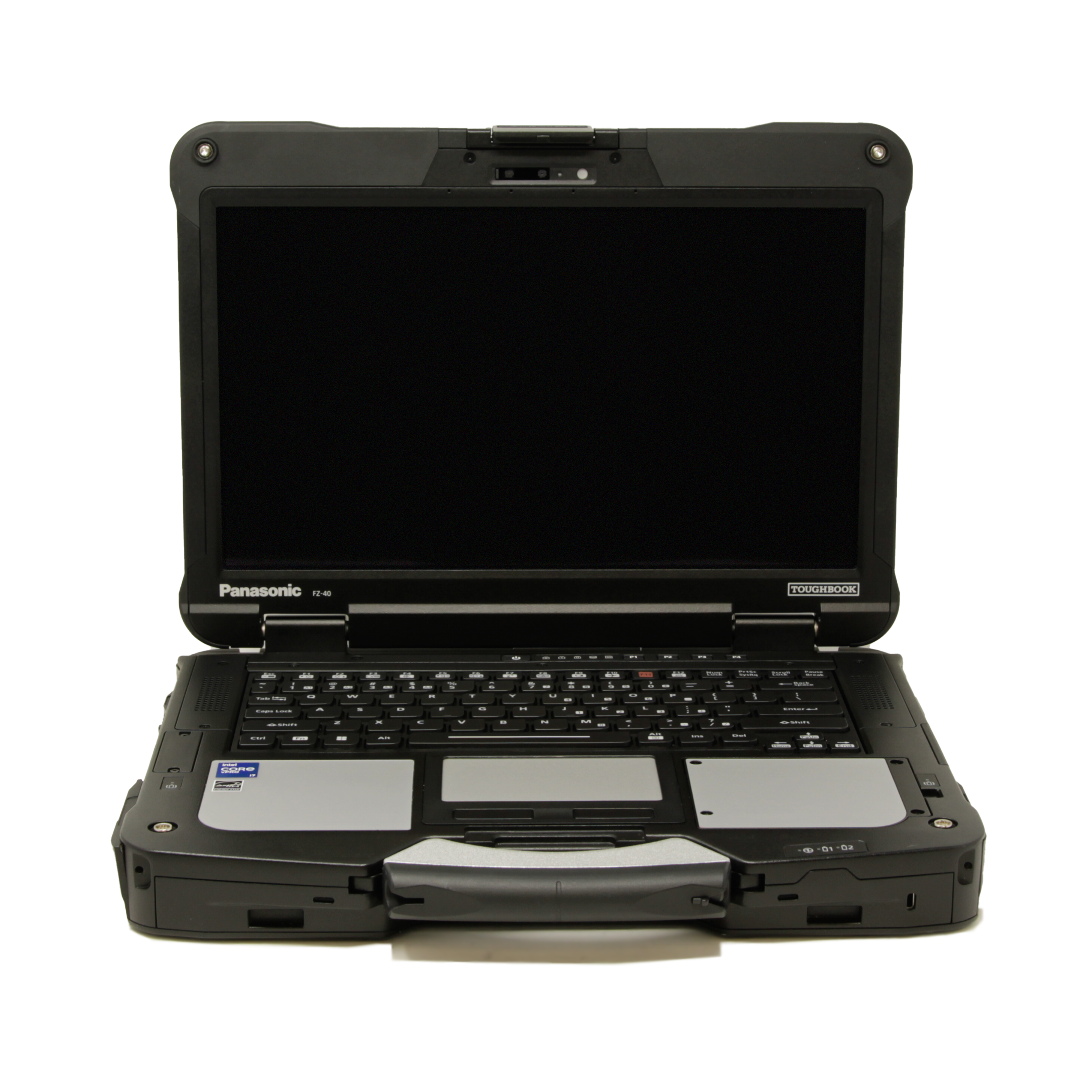
Rugged screens are made to work reliably in tough conditions. Here, we’ll look at what makes a screen rugged, where these devices are used, and what people expect from them.
A rugged screen is designed to resist damage. It’s part of a device built to keep working in extreme conditions. These devices can handle drops, shocks, dust, water, and temperature changes without breaking down.
Industries that need reliable equipment often use rugged screens. Workers in construction, the military, and field services rely on these devices to get their jobs done without delays. In these settings, a broken screen can slow work or even cause safety issues.
Rugged screens need to work well under pressure. They should resist cracking, handle repeated impacts, and last longer than regular screens. They also have to keep working in tough environments where standard devices might fail.
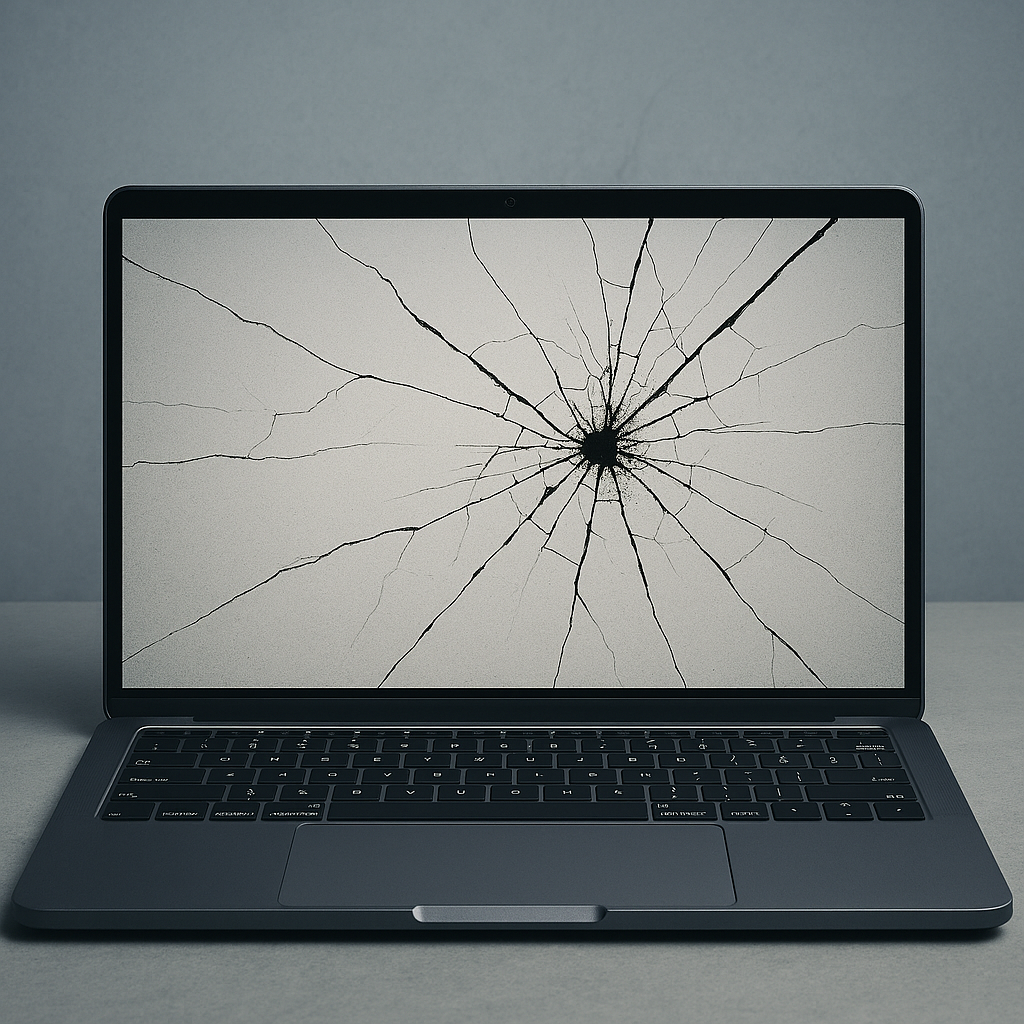 Materials Matter: Stronger Glass Technologies
The strength of a rugged screen comes from the materials used to make it. Here, we’ll see how advanced glass technologies make these screens much tougher than standard ones.
Chemically Strengthened Glass: Rugged screens are strong because they use chemically strengthened glass. This process, called ion exchange, alters the glass’s internal structure, making it tougher. The surface becomes much more resistant to cracks and scratches.
Specialty Glass Types: Rugged devices often use advanced glass, such as Gorilla Glass. These materials are specially made to be more durable than regular consumer glass.
Multi-layered Screen Construction: Rugged screens use multiple layers rather than a single layer. These layers work together to make the screen stronger and more durable. Each layer helps absorb impact and protect the display.
Comparison with Consumer Grade Glass: Consumer-grade screens are usually thinner and prioritize looks. They may look modern and sleek, but they are more likely to crack under pressure. Rugged screens prioritize strength over thinness.
Reinforced Design and Structural Engineering
Besides materials, the design of a rugged device is important for its durability. Here, we’ll explain how structural engineering helps protect the screen from damage.
Thicker Glass and Reinforced Bezels: Rugged devices feature thicker glass and stronger bezels around the screen. These bezels act as a barrier, helping reduce direct impact on the display.
Shock-Absorbing Frames: Rugged devices use materials inside to absorb shock. If the device is dropped, these materials help reduce the force that reaches the screen.
Raised Edges to Protect the Screen: Many rugged devices have slightly raised edges. This design helps make sure the screen does not hit the ground directly if the device falls.
Flexible Mounting to Reduce Stress: Some rugged devices are designed to allow a bit of movement inside. This flexibility helps reduce stress during impacts and lowers the risk of cracking.
Impact Resistance vs Shatter Resistance
It’s important to know how rugged screens handle force. Here, we’ll explain the difference between impact resistance and shatter resistance, and how rugged screens manage both.
Difference Between Impact and Shatter Resistance: Impact resistance means a screen can withstand force without cracking. Shatter resistance is how the screen resists breaking, ensuring it doesn’t shatter into sharp, dangerous pieces.
How Rugged Screens Distribute Force: Rugged screens are made to spread impact force across the whole surface. This lowers the pressure on any one spot, which is often what causes cracks in regular screens.
Real-World Drop Scenarios: In real life, drops can occur in many ways. A device might land on its edge or at an angle. Rugged screens are built to handle these impacts better than regular consumer screens.
Advanced Protective Layers
Rugged screens have more than just strong glass. Here, we’ll look at the extra layers that protect the screen and make it easier to use.
Anti-Scratch Coatings: Rugged screens often have coatings that protect against scratches from tools, keys, and rough surfaces. This keeps the screen clear and easy to use over time.
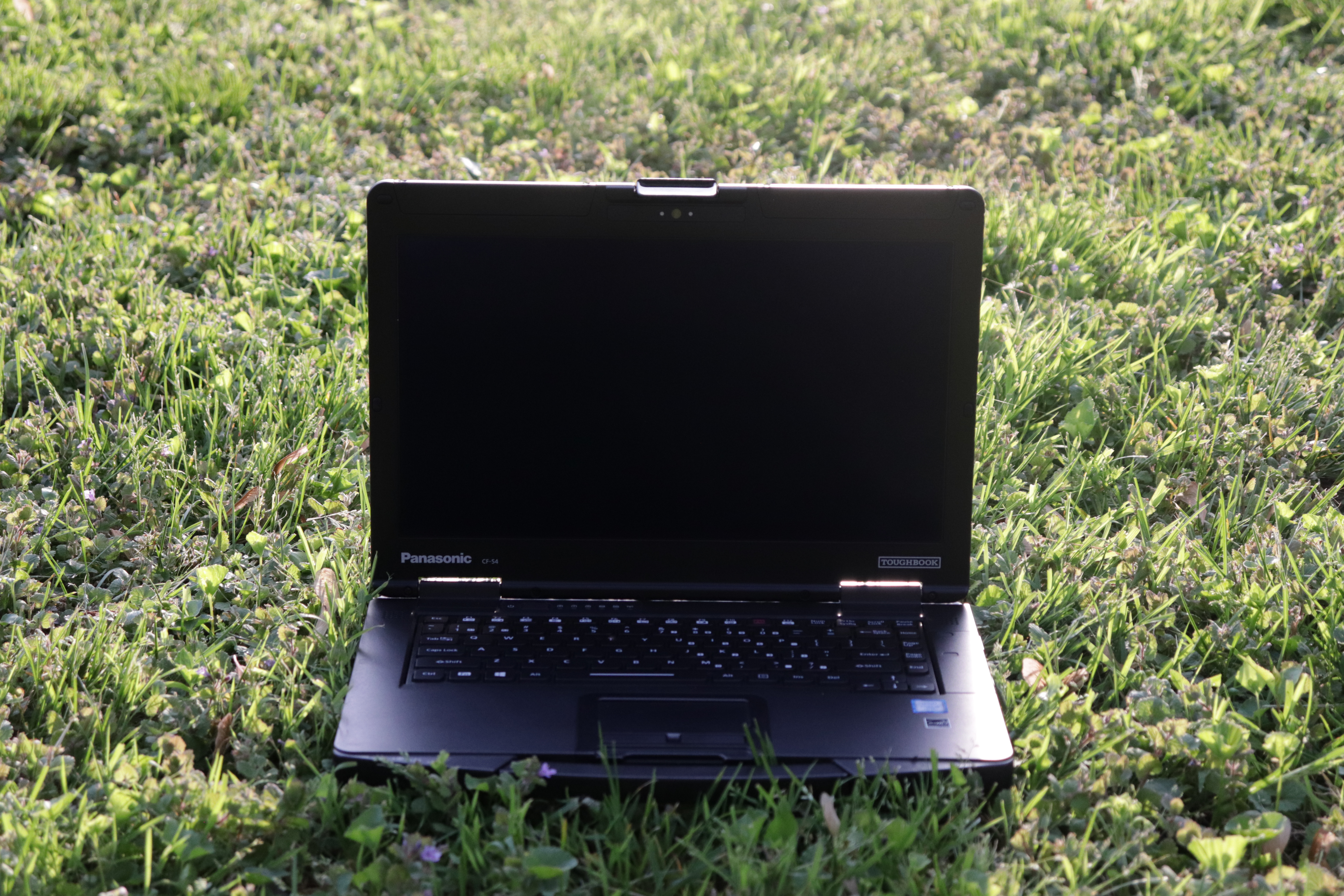 Anti-Glare and Anti-Reflective Layers
These layers help you see the screen better, especially outdoors in bright light. They reduce reflections and make the screen easier to read.
Oleophobic Coatings: These coatings help prevent fingerprints and smudges from appearing on the screen. This keeps the screen cleaner and makes it nicer to use.
Additional Protective Films: Some rugged devices have extra protective films that make the screen even more durable.
Environmental Durability
Rugged screens are designed to handle more than just physical impact. This section explains how they perform in extreme environmental conditions.
Resistance to Extreme Temperatures: Rugged screens are designed to withstand both very hot and very cold environments. They keep working where normal screens might stop.
Protection Against Moisture and Dust: These screens are sealed to prevent dust and water from entering. This is important for outdoor and industrial use.
UV and Chemical Resistance: Rugged screens can withstand damage from sunlight and chemical exposure. This makes them suitable for long-term use in harsh environments.
Testing and Certification Standards: To ensure durability, rugged devices undergo rigorous testing. In this section, we will look at the standards and tests that prove their strength.
Military Grade Testing Standards: Many rugged devices are tested to strict military standards, such as MIL-STD-810. These tests ensure that the devices can survive extreme conditions.
Drop, Vibration, and Pressure Testing: Rugged devices undergo repeated drop, vibration, and pressure tests. This helps confirm their durability in real-world situations.
Ingress Protection Ratings: Ingress Protection ratings indicate how well a device resists dust and water. Higher ratings mean better protection and reliability.
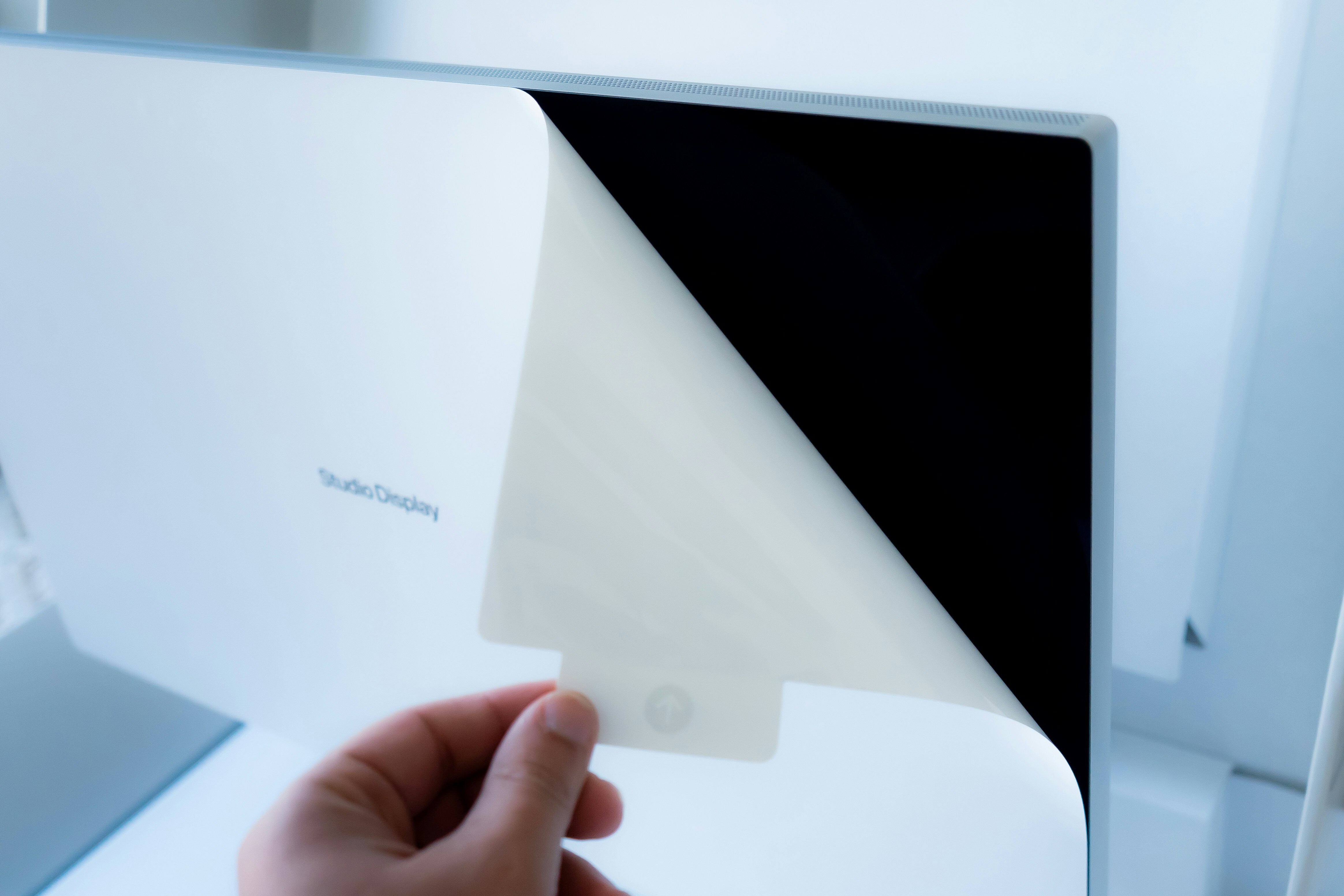 Rugged Screens vs Screen Protectors
Many people wonder if a simple screen protector can provide the same protection as a rugged screen. This section explains the key differences.
Why Rugged Screens Perform Better: Rugged screens are built to be strong from the inside. They are designed as a complete system, not just an added layer.
Limitations of Tempered Glass Protectors: While tempered glass protectors offer some protection, they have limits. They can crack easily and aren’t as durable as rugged screens.
When Additional Protection is Useful: In some cases, adding a screen protector can still help prevent minor scratches. However, it cannot replace the strength of a rugged screen.
Rugged Screens vs. Consumer Screens: The Bottom Line
Rugged screens are made to be as durable as possible. They use strong materials, reinforced designs, and undergo rigorous testing to prevent cracks and damage.
Consumer screens might look nicer and feel lighter, but they’re more fragile. Rugged screens offer reliability and last longer, especially in tough environments.
If you want strong and dependable tech solutions, Bob Johnson’s Computer Stuff is a great place to find reliable options and expert advice.