A cracked screen while you’re working in the field. A failed hard drive after one too many bumps in your vehicle. A laptop that overheats in the middle of a critical service call. For teams that work in harsh environments, these scenarios probably sound all too familiar. Unfortunately, problems like these can interrupt critical workflows and delay access to important information in demanding work environments.
In many cases, the root of the problem is a fragile consumer laptop that was never designed for harsh working conditions. They have a high failure rate within the first three years of normal use, much less in environments that throw shocks, dust, moisture, and more at them. The fix? Upgrading to a rugged laptop.
This guide cuts through the noise to show you which rugged laptop is right for your work environment.
Understanding the Difference Between Semi-Rugged and Fully Rugged Laptops
Rugged computers come in two categories: fully rugged and semi-rugged. That raises two questions: When do you actually need a fully rugged computer? And when is a semi-rugged one enough?
The answer matters because it can mean the difference between overspending on protection you may not need and choosing a system that can’t withstand your working conditions.
To address different environments and operational demands, rugged laptop computers are built with different levels of durability and environmental protection. Some models prioritize lighter weight and easier mobility, whereas others are built for severe exposure and mission-critical reliability.
What is a Rugged Laptop?
Rugged laptops are portable computers purpose-built for demanding work environments where standard laptops often fail or struggle to operate reliably. Common features they’re designed with that make them ideal for punishing environments include:
- Reinforced frames
- Ruggedized chassis
- Sealed keyboards
- Sunlight-readable displays
- Shock-protected internal components
Top sectors that commonly rely on rugged devices to prioritize uptime in tough working conditions range from construction and public safety to military and defense.
Most rugged laptops are built to military-grade durability and are tested and certified to MIL-STD-810H and IP standards. Both semi-rugged and fully rugged systems handle drops and vibration. Many also resist moisture, dust, and extreme temperatures. The level of sealing and environmental protection is what separates the two categories.
 What is a Semi-Rugged Laptop?
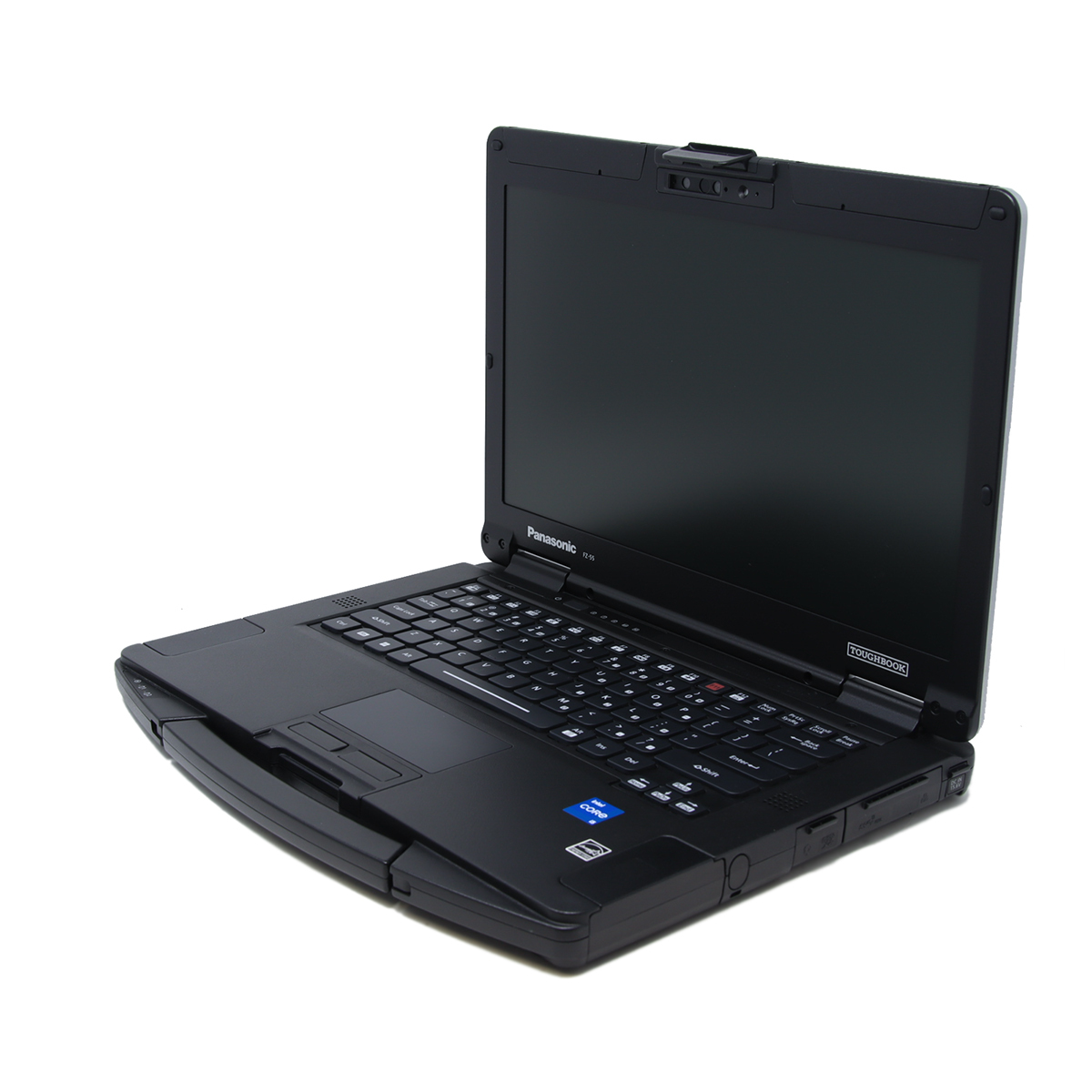
Semi-rugged laptops bridge the gap between consumer models and fully rugged systems. Designed for daily movement and moderate environmental exposure, they handle moderate drops, vibrations, and spills. They are designed to be lighter and more compact than fully rugged built laptops.
Most semi-rugged laptops feature ruggedized chassis engineered from reinforced plastics like ABS or polycarbonate. Higher-end semi-rugged devices may also add a magnesium alloy rollcage for structural support. That construction makes them well-suited for mixed office and field workflows.
Most semi-rugged laptops feature:
- Shock-mounted hard drives and spill-resistant keyboards
- MIL-STD-810H certification for drops around 3 to 4 feet
- Internal components built to manage moderate dust exposure
Semi-Rugged Laptop Examples and Price Points
 What is a Fully Rugged Laptop?
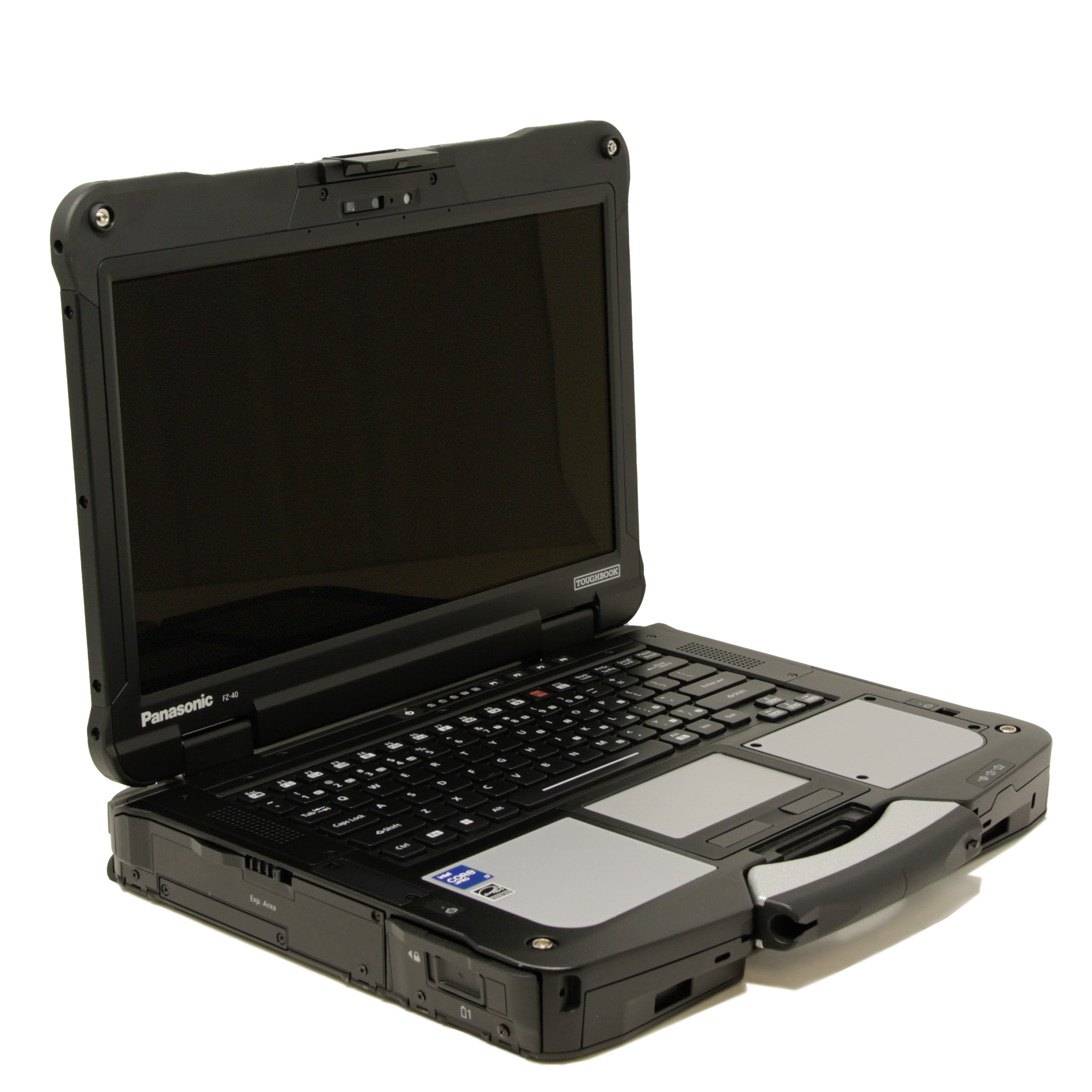
Fully rugged laptops are the most reinforced and durable laptops in the rugged computer category. The construction of these “mini-tanks” protects them against repeated drops and severe vibration.
Most models, including rugged Dell laptops, also operate reliably during water exposure or extreme temperatures. That added protection makes fully rugged systems larger and heavier than semi-rugged computers.
Despite the extra weight, they still remain portable enough for field and remote operations. They are purpose-built for extreme working conditions, which is why public safety personnel, emergency response teams, and military personnel rely on them.
Common fully rugged features include:
- Sealed ports and keyboards
- Shock-mounted internal components
- Fanless cooling systems
- High-brightness outdoor displays
- Hot-swappable batteries
- Repeated drop protection of around 4 to 6 feet
- Heavy-duty magnesium alloy or reinforced polycarbonate chassis
Additionally, many models use rubberized bumpers and reinforced hinges to reduce damage during transportation and field use.
Fully Rugged Laptop Examples and Price Points
Examples of fully rugged laptop computers include Panasonic’s TOUGHBOOK and Dell Pro Rugged laptops. The extreme durability of a fully rugged computer laptop comes with a price tag that can often surprise industrial buyers that aren’t familiar with them, though. New Panasonic TOUGHBOOKS range from about $4,000 to more than $6,500, depending on hardware and feature options.
Semi-Rugged vs Fully Rugged Laptops: Key Differences
Choosing between semi-rugged and fully rugged laptops comes down to environment, mobility, and budget. The table below puts the most important differences side by side.
| Feature |
Semi-Rugged Laptops |
Fully-Rugged Laptops |
|
Weight
|
About 5–7 lbs |
About 7–10+ lbs |
|
Drop Rating
|
3–4 feet |
4–6 feet |
|
IP Rating
|
Typically IP5X or lower |
IP65 or higher |
|
MIL-STD-810H Testing
|
Passes a subset of methods (typically shock resistance, vibration, basic temperature) |
Broader coverage: drop, vibration, rain, salt fog, humidity, solar radiation |
|
Portability
|
Highly portable for mixed environments |
Bulkier; built for vehicle or stationary use |
|
Battery Life
|
8–12 hours typical |
10–24 hours with hot-swappable batteries |
|
Sunlight Readability
|
Optional or moderate brightness |
Standard high-brightness, anti-glare displays |
|
Expansion Options
|
Limited ports and modules |
Extensive ports, modular bays, docking support |
|
Durability Level
|
Moderate environmental protection |
Maximum sealing and impact protection |
|
Ideal Industries
|
Logistics, utilities, warehousing |
Military, public safety, mining, offshore |
|
Average Price Range
|
$2,000–$4,000 |
$3,500–$10,000+ |
Mobility and Field Use: Mobility shapes how quickly your team can move between job sites. Semi-rugged laptops are lighter, which helps technicians move in and out of vehicles all day. Fully rugged systems are heavier, but they survive abuse that would destroy lighter machines.
Long-Term Durability: Semi-rugged laptops typically last three to five years under moderate field conditions. Fully rugged systems often run reliably for five to seven years, even in punishing environments. That extended lifespan can offset the higher upfront price for many fleet buyers.
Performance and Thermal Management: Fully rugged laptops use fanless cooling to keep dust and moisture out of internal components. This design supports sustained performance in extreme heat or freezing cold. Semi-rugged systems often rely on traditional fans, which limits their environmental tolerance.
When Extra Ruggedization Becomes Necessary: Choose fully rugged systems when downtime would halt operations or risk worker safety. For mixed office and field work, semi-rugged usually offers the better value.
Understanding Rugged Laptop Certifications
Certifications give procurement teams an objective way to compare durability claims. They turn vague “tough” marketing language into measurable, testable standards.
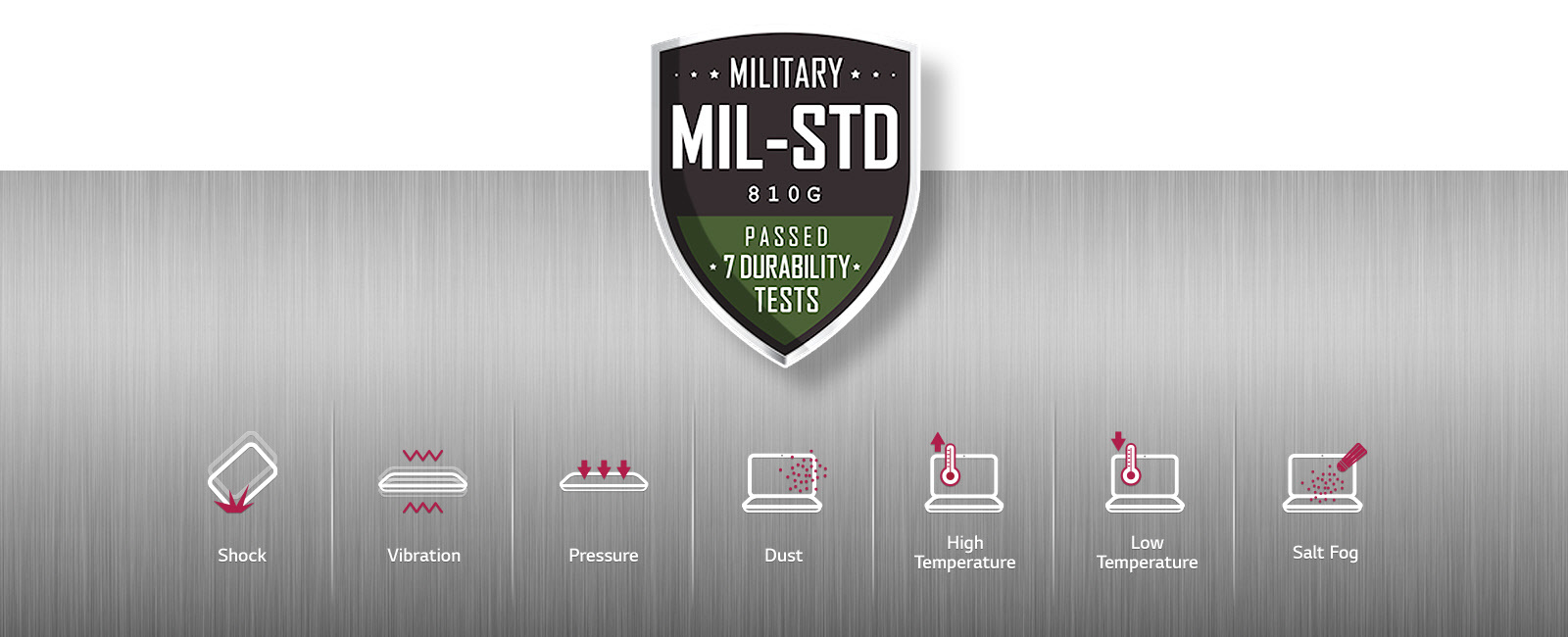
MIL-STD-810H
The full standard defines 12 test methods and 26 test procedures. Semi-rugged laptops typically pass a subset of these. Fully rugged systems are tested against a much broader set.
Common tests in the standard include:
- Shock and drop performance
- Vibration resistance during transport and operation
- Temperature extremes (both heat and cold)
- Humidity and salt fog exposure
- Altitude tolerance
- Sand and dust resistance
IP Ratings and Ingress Protection
IP ratings measure how well a device resists dust and water intrusion. The first digit covers solids; the second covers liquids.
Common ratings on rugged laptops include:
- IP53: Limited dust protection and resistance to light water spray
- IP65: Full dust protection and resistance to low-pressure water jets
- IP67: Full dust protection and short submersion in shallow water
Drop and Vibration Testing
Drop tests measure survival from specific heights onto hard surfaces like concrete. Semi-rugged devices typically pass three-foot drop tests. Fully rugged models often survive drops from four to six feet. Vibration testing simulates long-term exposure to vehicle-mounted use.
Thermal Testing
Thermal testing confirms a device works in extreme heat and freezing cold. Fully rugged laptops typically operate from about –20°F to 145°F.
Why Certifications Matter When You Buy
For procurement teams, certification matters more than marketing claims. It shapes how rugged laptops are evaluated, supported, and renewed.
Certifications:
- Protect buyers from misleading marketing claims
- Support warranty discussions and insurance documentation
- Inform lifecycle planning and procurement decisions
- Provide a baseline to verify against the manufacturer's spec sheet
Best Industries for Semi-Rugged Laptops
Keep in mind that you may also need rugged tablets for those working in the field. In fact, semi-rugged laptops really shine in industries that move between climate-controlled offices and the field. They offer real protection for daily abuse without the weight of a fully rugged build.
Also, portability improves productivity, as lighter devices reduce fatigue during long shifts and frequent transitions between sites. Faster mobility translates directly into more completed jobs per day. The following industries typically use rugged or semi-rugged laptops on a regular basis:
Utility Technicians: Utility crews need devices that handle truck vibration, weather changes, and occasional drops. Semi-rugged laptops fit easily into work bags, vehicle mounts, and tool kits.
 Transportation/Logistics Teams and Fleets: Fleet managers and logistics teams rely on semi-rugged systems for dispatch and routing. The lighter form factor speeds up turnarounds at warehouses, terminals, and depots.
Warehouse Operations: Warehouse supervisors use semi-rugged laptops for inventory tracking and floor management. These devices tolerate dust, occasional spills, and constant movement across loading docks.
Field Inspectors and Insurance Adjusters: Inspectors and adjusters need portable systems that survive variable weather and rough handling. Semi-rugged laptops support photo capture, form entry, and document signing right on site.
When Fully Rugged Laptops Are Worth the Investment
Fully rugged laptops cost more upfront, but the math often favors them in extreme conditions. A single equipment failure during a critical operation can dwarf the price difference.
The True Cost of Equipment Failure
A standard laptop failure in the field can mean lost data and missed deadlines. For safety-critical industries, downtime can also mean injuries or regulatory exposure. Replacement and repair costs add up quickly across a large fleet.
Industries Where Fully Rugged Wins
A wide range of industries rely on fully rugged systems for daily operations, including:
- Military environments: Combat zones, training exercises, and tactical vehicles
- Public safety: Police, fire, and EMS vehicles with mobile data terminals
- Offshore drilling: Salt fog, vibration, and constant moisture exposure
- Mining operations: Dust, drops, and underground temperature swings
- Heavy industrial sites: Steel mills, refineries, and large-scale manufacturing
Fully rugged laptops are designed to be maintained, repaired, and upgraded for years. Many models offer modular components, hot-swappable batteries, and easy storage upgrades. This serviceability stretches the lifespan well beyond what consumer laptops can match.
Top Rugged Laptop Brands and Models
A handful of brands dominate the rugged laptop space. Each has its own strengths, and most are available new or refurbished.
Panasonic TOUGHBOOK
A Panasonic rugged laptop is often considered the gold standard for fully rugged computing. The Panasonic TOUGHBOOK brand has built a strong reputation in military, public safety, and field service work.
Popular Panasonic rugged laptop computer models include the TOUGHBOOK 40 and the detachable TOUGHBOOK 33. Both offer hot-swappable batteries, fully sealed designs, and high-brightness outdoor displays. Many field service teams choose TOUGHBOOK for its long lifecycle support and parts availability.
Dell Rugged Laptops
Dell’s rugged line balances portability with serious durability. Three popular semi-rugged Dell rugged laptops include the Dell Latitude 5414, the Dell Latitude 5424, and the Dell Latitude 5430. However, Dell has since transitioned away from the Latitude Rugged branding.
The company's rugged laptop and tablet lineup now falls under the Dell Pro Rugged family, including models like the Dell Pro Rugged 13 and Dell Pro Rugged 14. These newer systems offer updated processors and modern hardware while maintaining the durability expected from Dell rugged devices. Both integrate cleanly into existing Dell enterprise environments and deployment tools.
 Getac Rugged Laptop
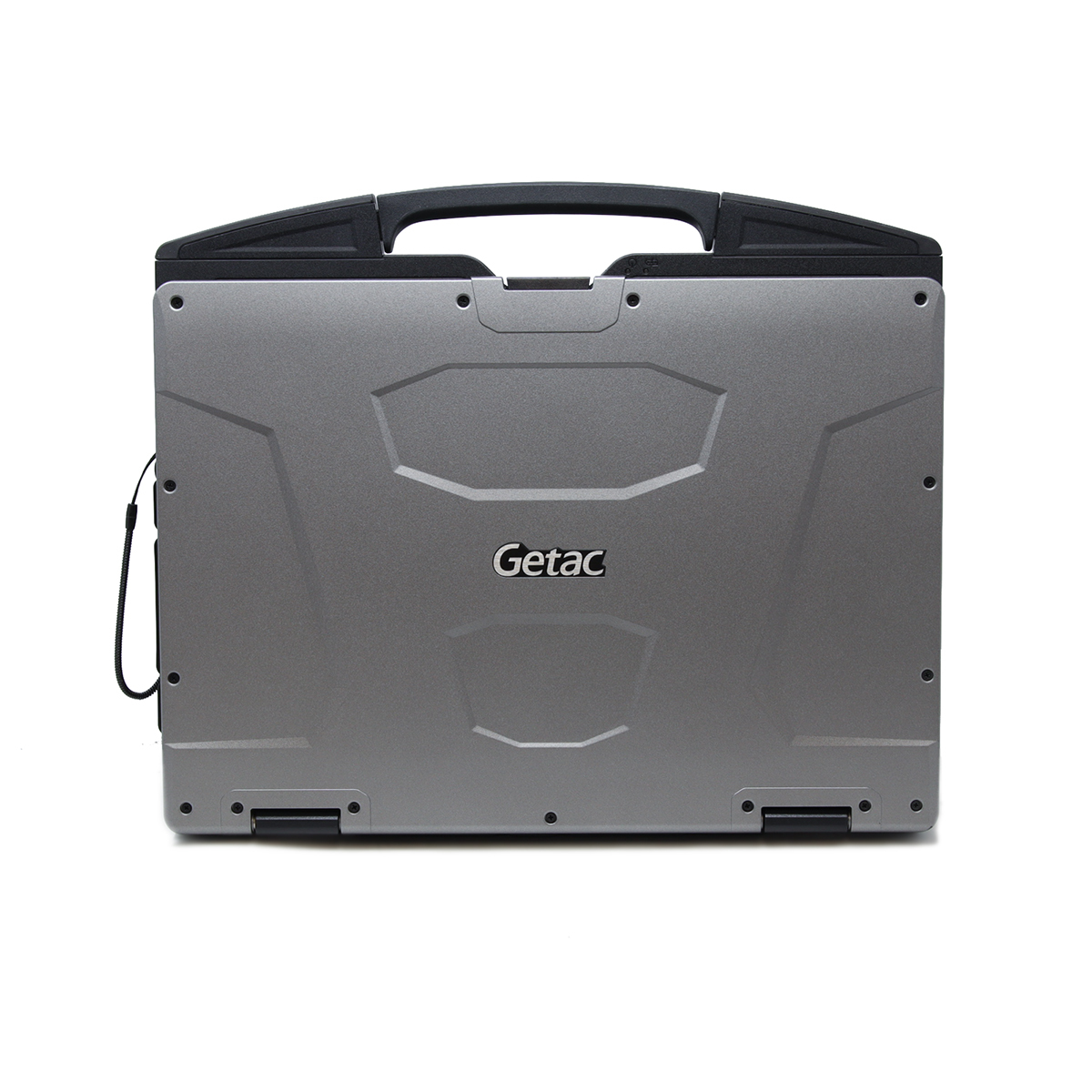
Getac builds high-performance fully rugged systems for industrial and outdoor computing. The Getac X600 rugged laptop is a flagship fully rugged workstation built for heavy computational workloads. The semi-rugged Getac S410 covers lighter use cases without sacrificing core durability.
Getac displays are known for excellent outdoor readability in direct sunlight. That makes them a popular choice for surveying, construction, and field engineering teams.
Durabook Rugged Laptop
Durabook offers competitive rugged mobility at a lower price point than some rivals. Their lineup covers field-ready durability for public safety and utility teams. Many models include hot-swappable batteries and modular expansion bays for custom configurations.
Semi-Rugged vs Fully Rugged Laptops: Shop Smart at Bob Johnson’s
Whether you're an IT procurement manager evaluating fleet deployments, an industrial buyer comparing lifecycle costs, or a military contractor operating in demanding environments, matching the ruggedness level to the job is the key to maximizing value. After all, your real-world conditions will help you select the right rugged or semi-rugged laptop.
If you’re looking for value and mobility in mixed environments, consider a semi-rugged system. However, if you need maximum protection for the most demanding jobs, it’s better to choose a fully rugged system.
Are you still unsure about which type of rugged laptops your team needs? Our professionals have the expertise to match the best rugged laptop with your budget and workflow.


 9am – 5pm Eastern, Monday – Friday
 133 N Dupont Blvd Ste 103, Smyrna, DE 19977
 Sale Tax Free Shopping!