

 9am – 5pm Eastern, Monday – Friday
 133 N Dupont Blvd Ste 103, Smyrna, DE 19977
 Sale Tax Free Shopping!
Why Are Rugged Computer Memory (RAM) Prices So High?
7th Aug 2026
If you have priced a memory upgrade this year, the cost may have shocked you. You’re not alone; rugged computer memory now costs far more than it did a year ago. The price jump has clear causes, and the increase reflects two forces working simultaneously.
First, the entire RAM market is operating under historic pressure. Second, rugged memory carries engineering demands that consumer RAM never has to go through. Together, these factors push prices well above what most buyers have seen before.
For fleet managers, a routine upgrade can suddenly become a real budget headache. This guide breaks down exactly why RAM prices are so high and what you can do about it.
What Makes Rugged Computer Memory Different
Rugged computer memory is not the same part you would drop into a home PC. Instead, it’s built to survive punishing conditions. For example, field devices face extreme heat, freezing cold, and constant vibration.
As a result, rugged memory uses industrial-grade components rated for wider temperature ranges. In addition, manufacturers often solder modules directly to the board. This approach prevents connections from loosening under shock and vibration.
Also, many modules receive a protective conformal coating that guards against moisture and dust. Because of the extra steps required to make it to market, rugged computer memory costs more to design, test, and produce.
Consumer RAM, on the other hand, is built for the stable, climate-controlled conditions of an office. If it faced the heat, dust, and vibration of a demanding field environment, it would quickly fail.
The comparison table below shows the differences between consumer RAM and rugged computer memory:
| Attribute | Consumer RAM | Rugged computer memory |
|---|---|---|
| Operating temperature | Narrow, room-temperature range | Wide, extreme hot and cold |
| Shock and vibration | Minimal protection | Soldered and reinforced |
| Moisture and dust | Exposed to the elements | Often conformal-coated |
| Production volume | Mass-produced | Small, specialized batches |
| Lifecycle support | Short | Long-term parts availability |
Why Did RAM Prices Surge Recently?
Besides ruggedization, the broader memory market has been driving prices up quite a bit lately. In fact, DRAM prices jumped by roughly 80-90% early in 2026, according to Counterpoint Research. This price spike is owed to one main cause: artificial intelligence.
To put things into perspective, AI data centers now consume a massive share of global memory output. Analysts predict that figure could reach about 70% this year. By comparison, it sat near 20 to 30% in 2022. To meet that demand, the top memory chipmakers shifted most production toward high-bandwidth memory. As a result, far less capacity remains for the standard RAM that rugged computers utilize.
Meanwhile, supply simply can’t keep pace with demand. IDC expects DRAM supply to grow only about 16% this year. That rate falls well below the historical norm.
On top of that, the industry is still shifting from DDR4 to DDR5. This transition tightens the supply of the older modules that many rugged fleets still rely on. Analysts also warn that the shortage may be structural rather than temporary. The squeeze reaches mainstream laptops too, and Apple has raised MacBook prices in response to higher component costs.
When demand climbs and supply lags, prices rise. Rugged tablet and laptop buyers really feel it when that happens, too.
Why Rugged Memory Costs More Than Consumer RAM
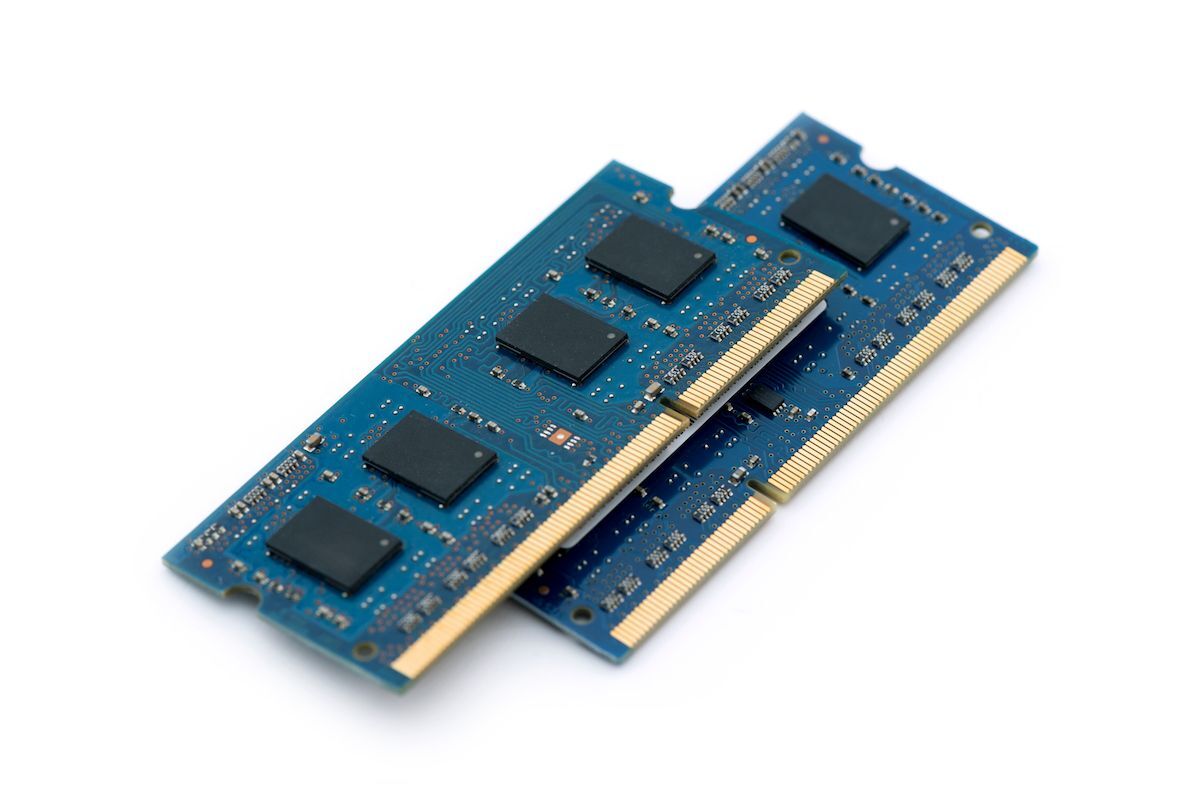 So rugged buyers face a double squeeze. On one hand, the base price of all RAM has climbed. On the other hand, rugged memory adds its own premium. In truth, rugged devices already cost more than standard laptops for solid reasons.
That premium comes from several sources. To begin with, rugged parts ship in much smaller volumes than consumer memory. Because manufacturers cannot spread production costs across millions of units, each module costs more to produce.
Additionally, each module must pass rigorous testing for shock, temperature, and humidity. That testing takes time, and time adds cost. Finally, rugged platforms stay in service for years.
As a result, makers must guarantee long-term availability of parts. All of these factors keep rugged memory expensive, even in a stable market.
Should You Buy Now or Wait for Prices to Drop?
Given the trend, many buyers wonder whether they should hold off on buying. That may not be the best course of action to take since it carries real risk. As noted, analysts do not expect meaningful relief until late 2027 or 2028. In the meantime, prices are forecast to keep climbing through 2026.
Because of this, delaying a needed purchase could actually cost more later. Moreover, downtime from aging hardware adds its own hidden expense. For most operations, buying the right device now beats gambling on a price drop. Still, if your current fleet works well, you can wait and plan your budget around higher costs.
How to Manage Rugged Computer Memory Costs
Fortunately, high prices do not mean you are out of options. With a smart approach, you can control rugged computer memory costs without sacrificing reliability.
Consider these cost-saving steps:
- Right-size your RAM. First, match memory to the actual workload, since paying for unused capacity wastes money.
- Buy refurbished. Next, a professionally refurbished rugged laptop or tablet delivers proven hardware for far less.
- Choose upgradeable models. Then pick platforms with accessible memory slots, so you can add RAM later instead of overbuying now.
- Favor stable platforms. Choose devices with long-term parts availability so you can add memory later rather than replace the whole unit.
For example, you can compare configurations across our rugged laptops and rugged tablets. Both pages list refurbished options that soften the impact of today's prices.
Finding the Right Rugged Device for Your Budget
Rugged memory prices are high for two connected reasons. The global RAM market is stretched thin by AI demand. At the same time, rugged construction requires extra engineering, testing, and support. Still, it helps to keep the cost in perspective.
A rugged device that keeps working in the field protects your productivity. However, a cheap machine that fails can cost far more than any memory upgrade. So while higher RAM prices sting, reliability continues to matter the most.
Need rugged devices without overpaying in this market? Browse our rugged computers to compare refurbished to new configuration pricing. We also handle bulk orders with fast turnaround, so contact us anytime for a quote or professional guidance.